- CRYPTOART / NFTS
- 06/25/2025 @ 1:33 PM
Robbie- it’s so great to connect with you today and thanks so much for speaking to us about your work. To begin- can you introduce yourself to our community? The medium you work in and where you are based?
Hey Dave- thanks for having me here. My name is Robbie Shilstone, I’m a Los Angeles based animator and filmmaker. I am predominantly a 2D hand drawn animator and work in a minimal modernist style. I’ve been fortunate enough to make a career animating for companies like Apple, Disney and MoMA. And for the past few years I’ve been creating short films in the web3 space.
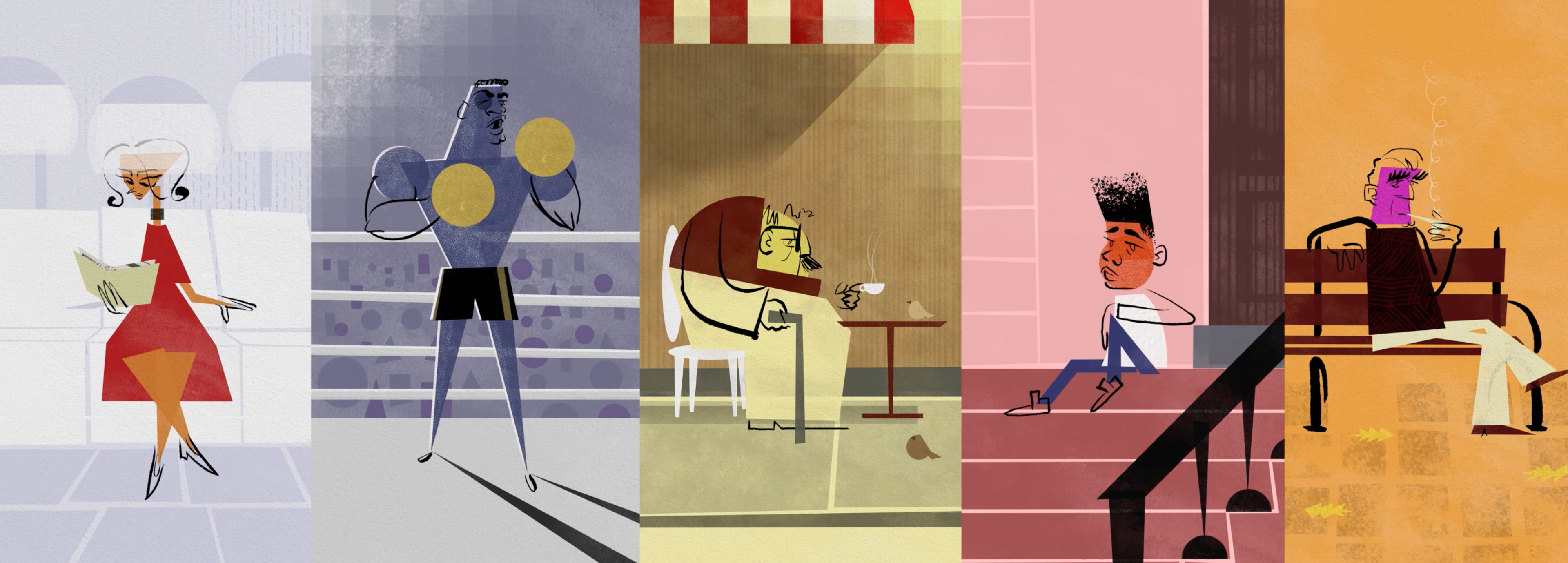
Let’s start with your upcoming project and then zoom back out to hear a bit more about how you got here. Can you lay out what you’re working on and what people can expect, as well as the best way for them to get involved with your latest effort here?
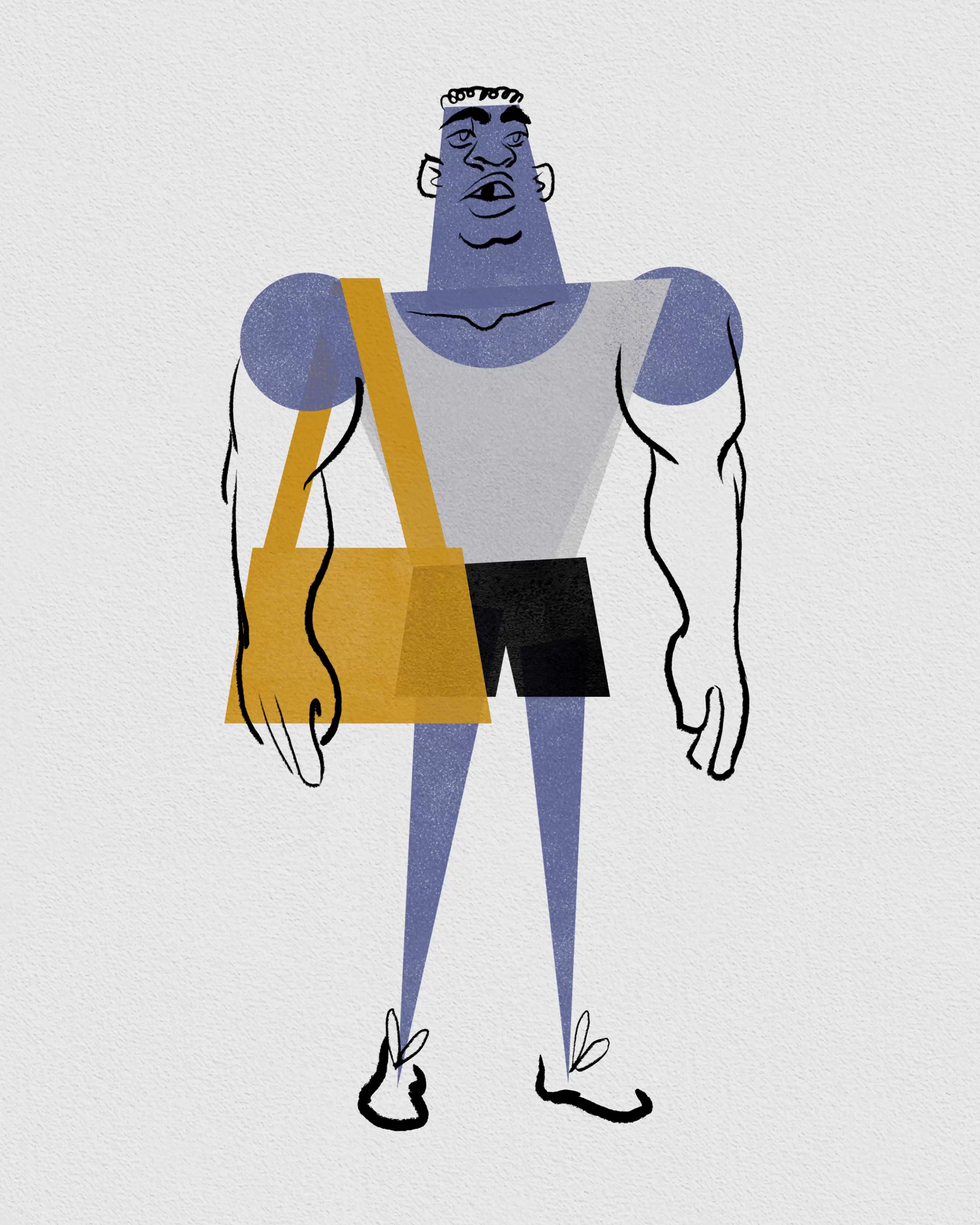
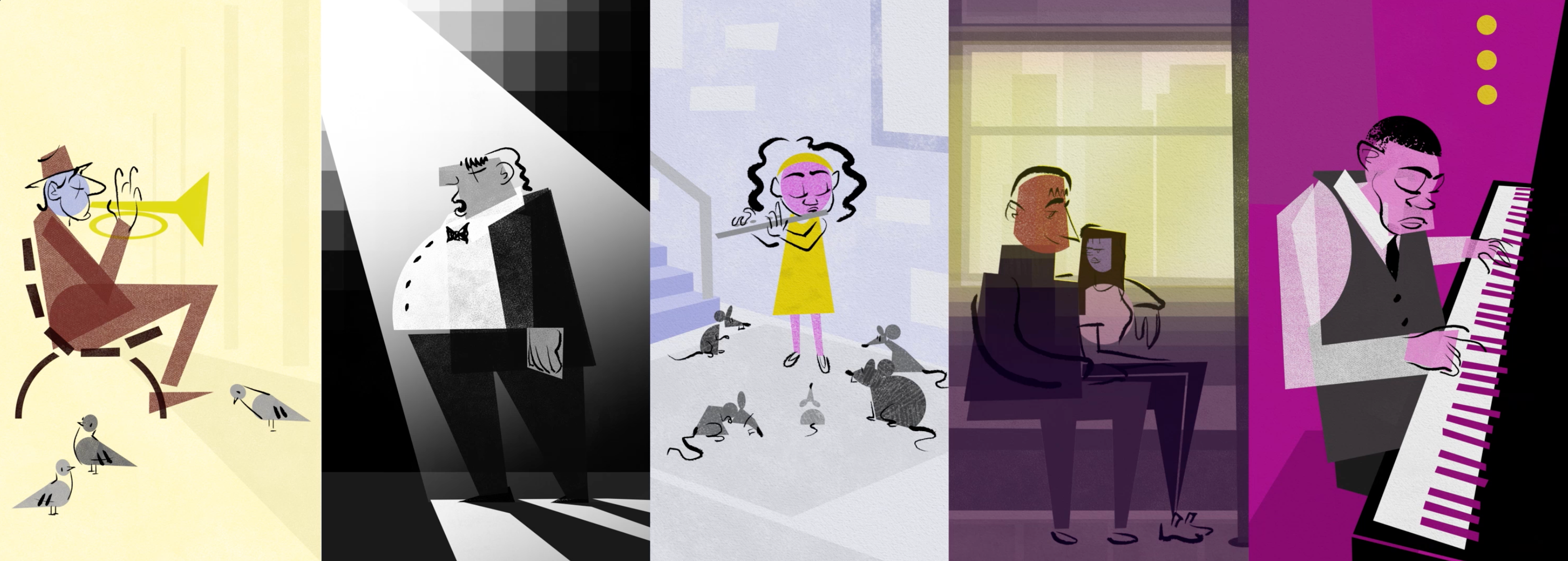
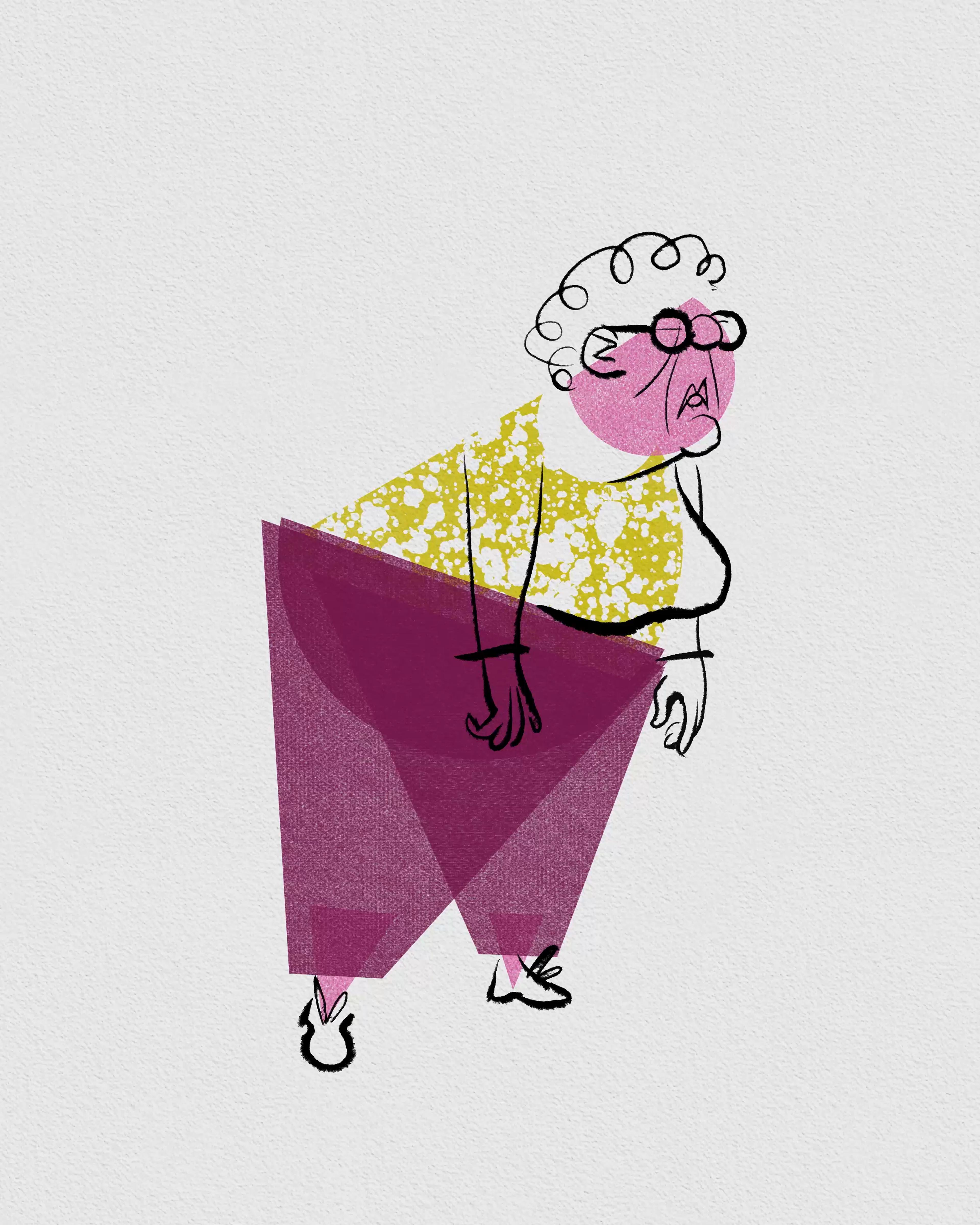
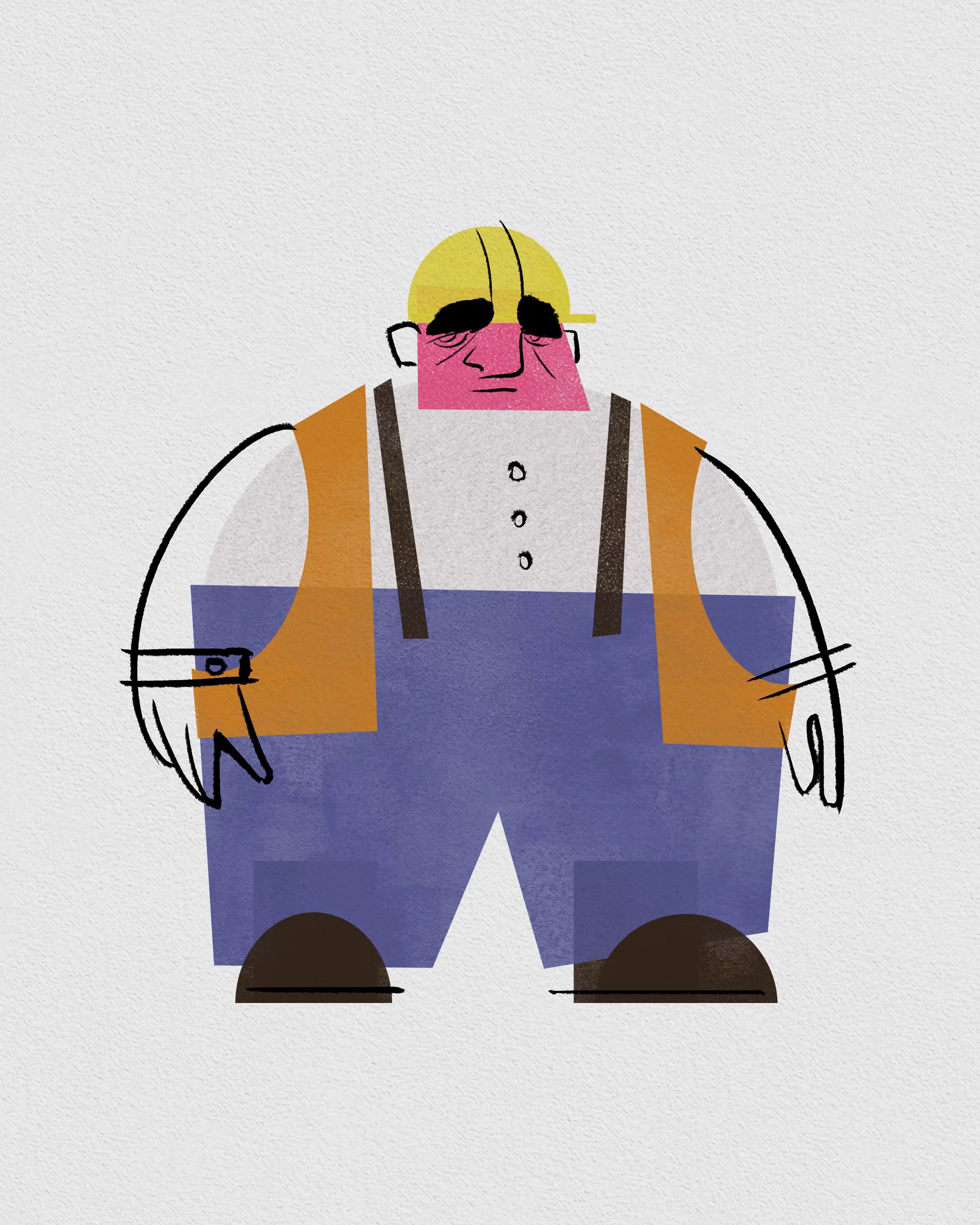
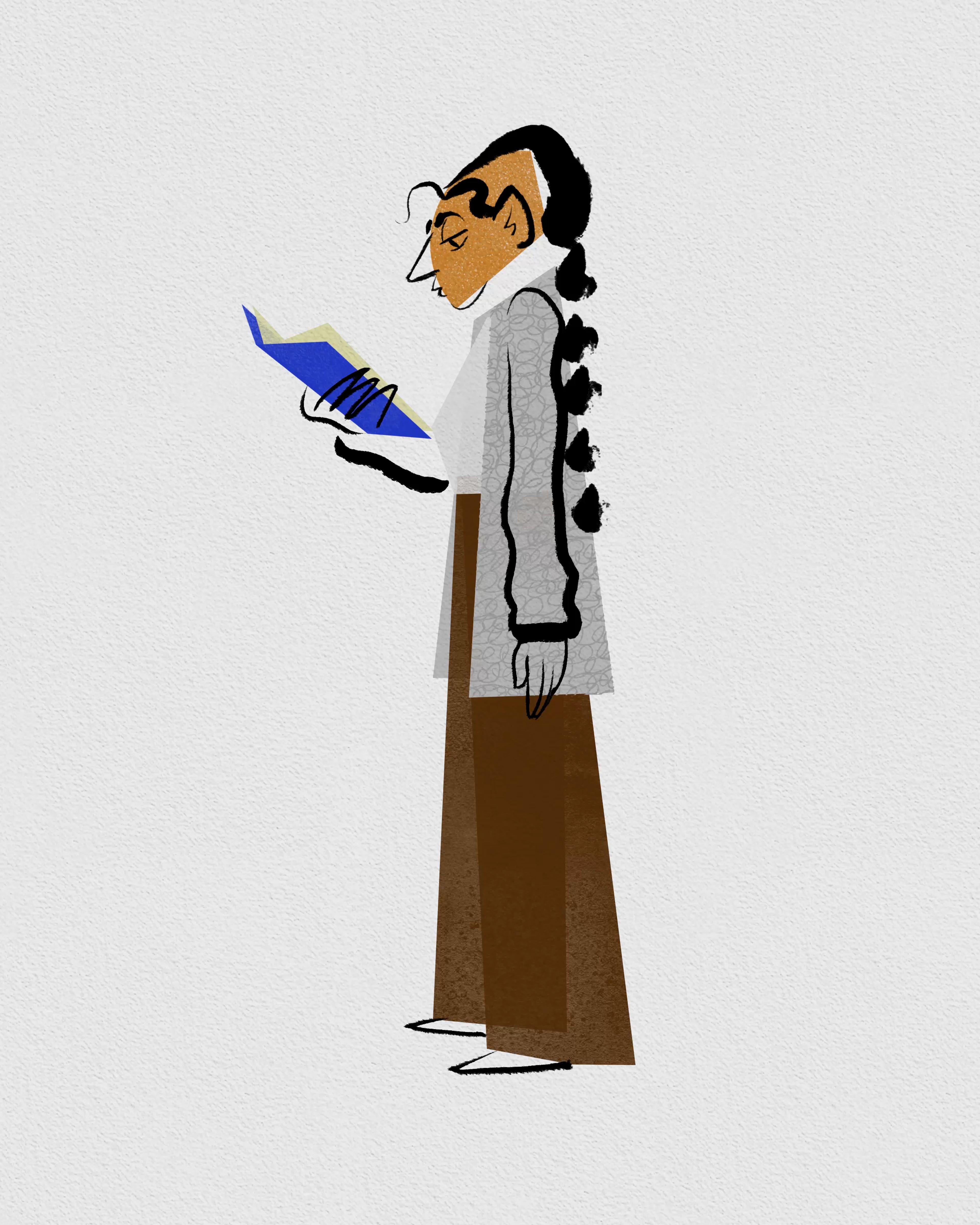
Yeah happy to. My latest project is called Publique. At its core, Publique is an animated short film anthology. Every single character featured in our short films are collectible cast members.
Collecting a character makes you a producer of Publique, getting you access to the entire filmmaking process and helping guide the project. We are creating artistic films alongside our producers with the ultimate goal of screening at film festivals and telling authentic stories.
This year, we already have released 36 characters and plan to release 52 by the end of this year. If you’re interested in getting involved in our next film production, collect a character and join the Publique producers.
This week you can check out the gallery show in New York City by clicking here.
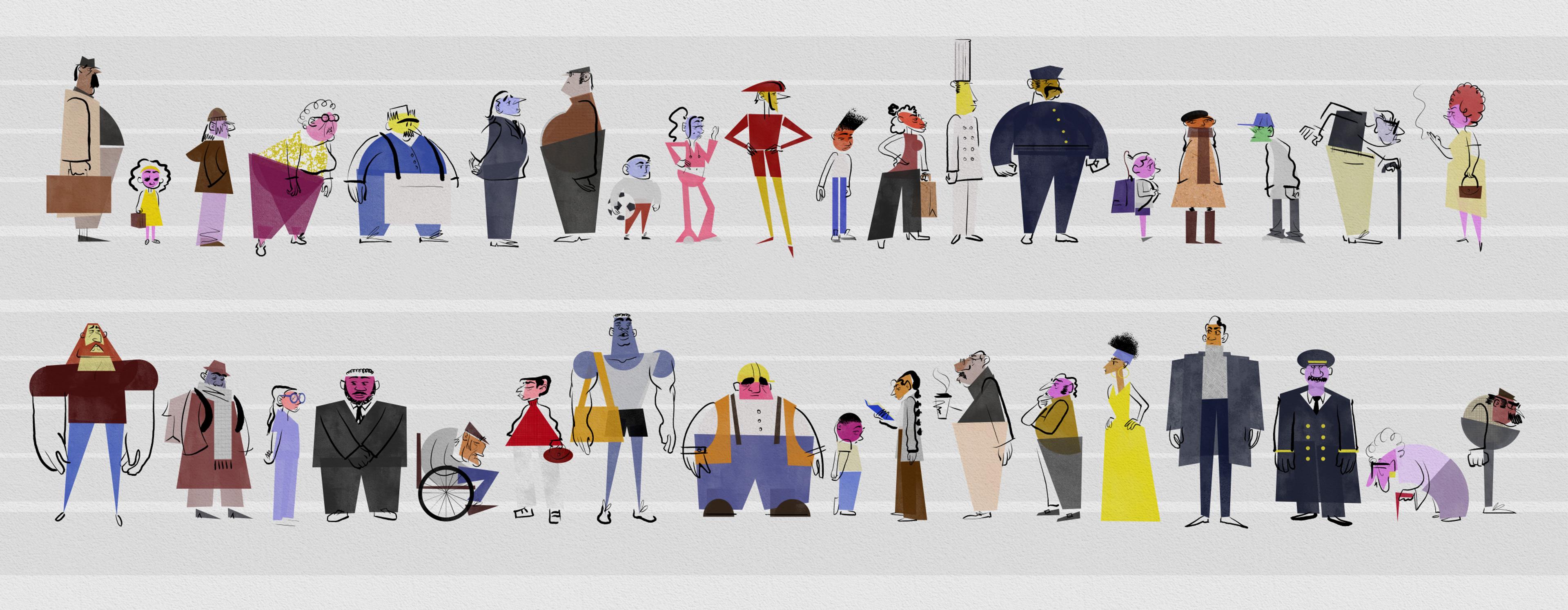
How has the ability to tokenize collectible characters changed the way you think about creating and funding ambitious, longer form creative projects like Publique?
Film creation is a bit of a marathon, often times taking months or even years to make. And with that in mind, funding them has always been a big hurdle for filmmakers. The web3 space felt like the middle ground between institutional investment and crowd sourcing. It lacks the bureaucratic hurdles of the entertainment industry while not feeling like a donation based kickstarter.
You also build this network and community around your work which is further strengthened by the ownership component. It can be hard to put into words the power ownership has and how it encourages people to identify with the work and characters on a deeper level.
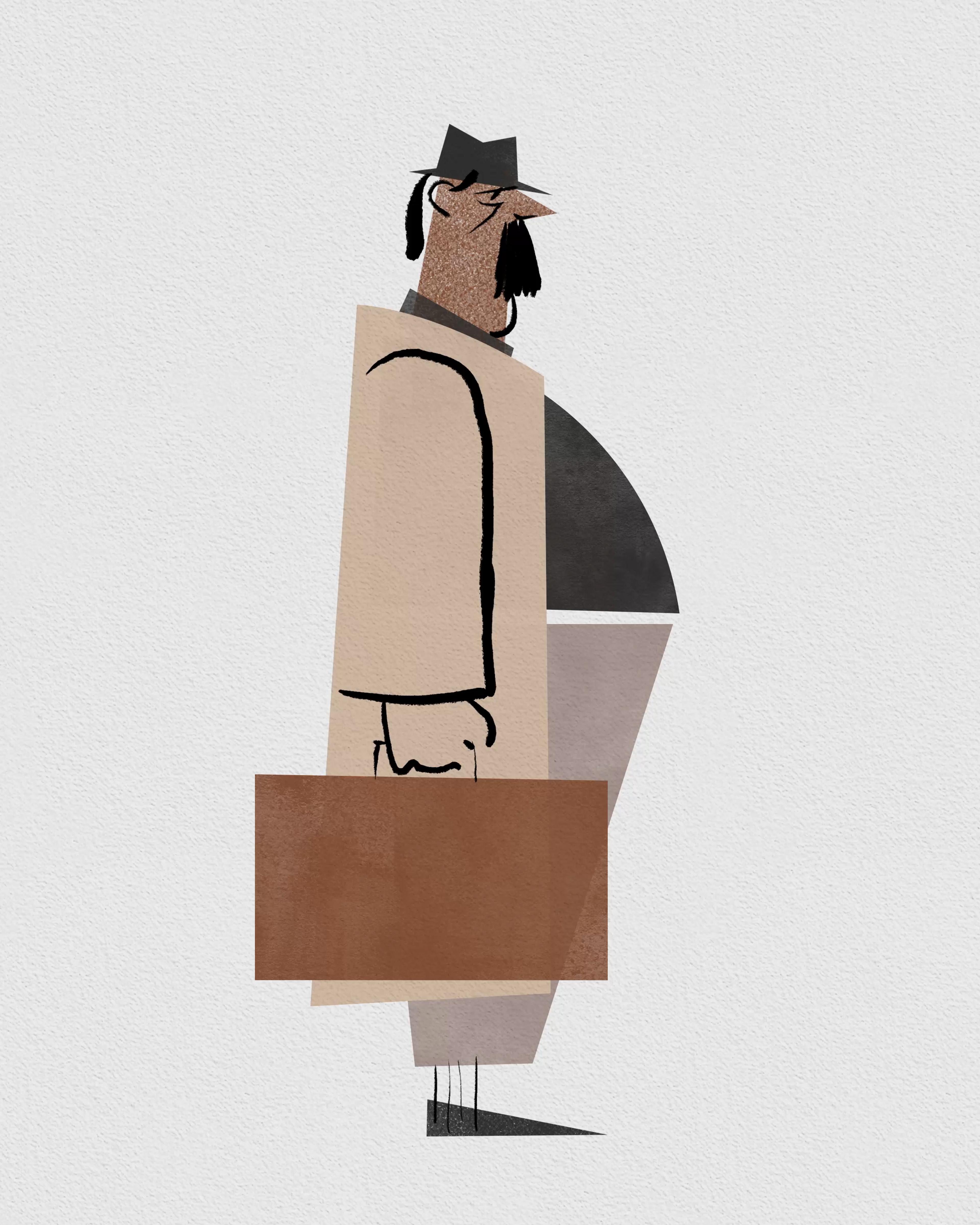
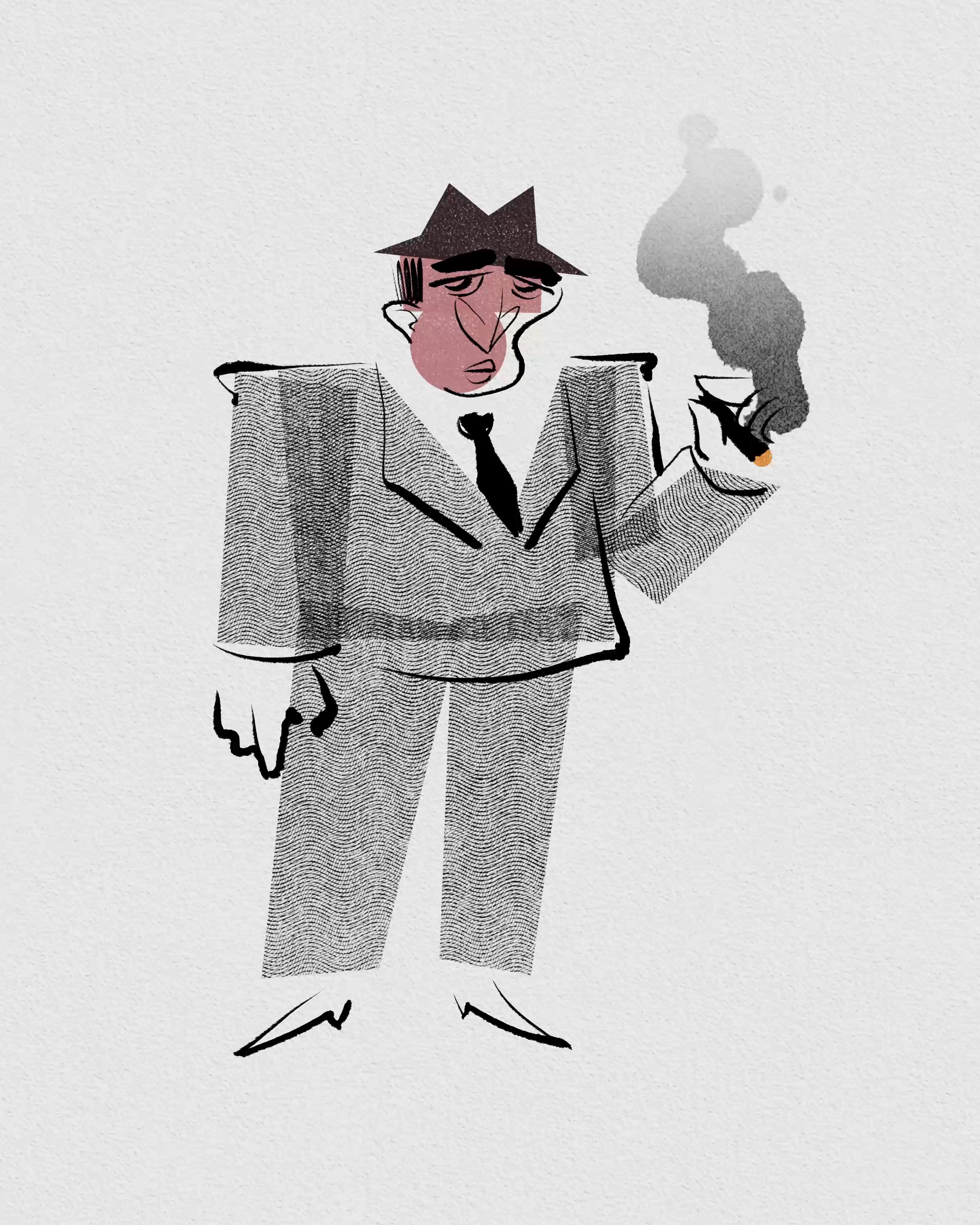
What a wonderful description of the potential of this technology. I find the same value in it- and there’s something very powerful about aligning incentives this way- when everyone feels a sense of ownership, they also feel a common sense of purpose, too.
Visually I love the style of the work you make. Two questions regarding that. Who did you look to for inspiration in the development of your visual style over the years- and where did this visual pursuit begin for you? What’s your earliest memory where the path of a creative life became at least a little visible as a way forward?
I grew up going to museums in New York and was exposed to many modernist painters like Kandinsky, Mondrian, Malevich, all who were influences for my style. I also love cartoonists like Saul Steinberg and Bill Waterson and their line work. But no one is a greater influence than my grandfather, Arthur Shilstone. I’m fortunate to have been introduced to his creative lifestyle since my earliest memories. My grandfather showed me that drawing and painting were more than just a hobby but a career, so I never questioned my pursuits towards this path. He painted until his last days at the age of 98 and I can only hope to continue my craft for as long as he did.
That is such a beautiful sentiment and one I am grateful to have experienced myself. My own photography career is built off of the legacy and experience of my father and grandfather- so that through-line resonates with me deeply. That’s a beautiful thing.
What does the future look like for visual creatives in your estimation? There is such an incredible pace of change at the intersection of art and technology. How do you see things continuing to evolve over the next 3-5 years?
It’s a difficult question to answer. We have to admit that Ai is definitely a disruptive force in visual output and I imagine that commercial work will be changed forever. When the point of a creative pursuit is the product like an Ad or content, Ai will be far more cost effective.
But for artists I believe the creative act is rarely about the final product and more about process. I think artists have a distinct advantage during these times to lean into their humanity and imperfection. Although my animation is digital, I prefer the messiness of drawing frame by frame and I’m not trying to rush through that process. I like animating, it makes me happy, so for me it’s about finding the technologies that enable me to animate more, not less.
While there will be many people chasing the novelty of the latest technological advancement, I think most artists are interested in learning about themselves and the human experience through their own creative process and I don’t think that will change regardless of if AI can get us there faster.
Really well said. Couldn’t agree with that more and would add that in a world of infinite outputs- it’s our ability to build relationships that become our most important asset. I think a project like publique is a great way to build that scaffolding and I’m excited to see it unfold. Lastly- any advice for an artist earlier in their creative path?
For artists just getting started, my recommendation is experiment. An artist is at their best when they find something that is unique to them, something only they can create. And that takes time and work.
Beautiful sentiments. Thank you so much for taking the time to talk with us today. To the reader, keep up on all things Robbie Shilstone via his website.